
Sick days are inevitable with little ones, and if you’re looking for foods for sick toddlers when even their favorite meal gets pushed away, this is for you. As a dietitian and mom, I know how stressful it can feel when your toddler isn’t feeling well and barely touches their food. You want to help them feel better, but figuring out what to serve can turn into one more thing on your already-full plate.
And I'm here to tell you, that you don’t need perfectly balanced meals on sick days. Sometimes it’s a few bites of toast, a yogurt pouch, or the same bowl of noodles offered twice. You can adjust to what feels manageable for them without it meaning that all their progress with eating a variety goes away.
Let’s talk about easy foods for sick toddlers, how to prioritize hydration, and what to do when your little one just isn’t interested in eating. Hopefully this will ease your mind during those days it feels like they’re just living on air!
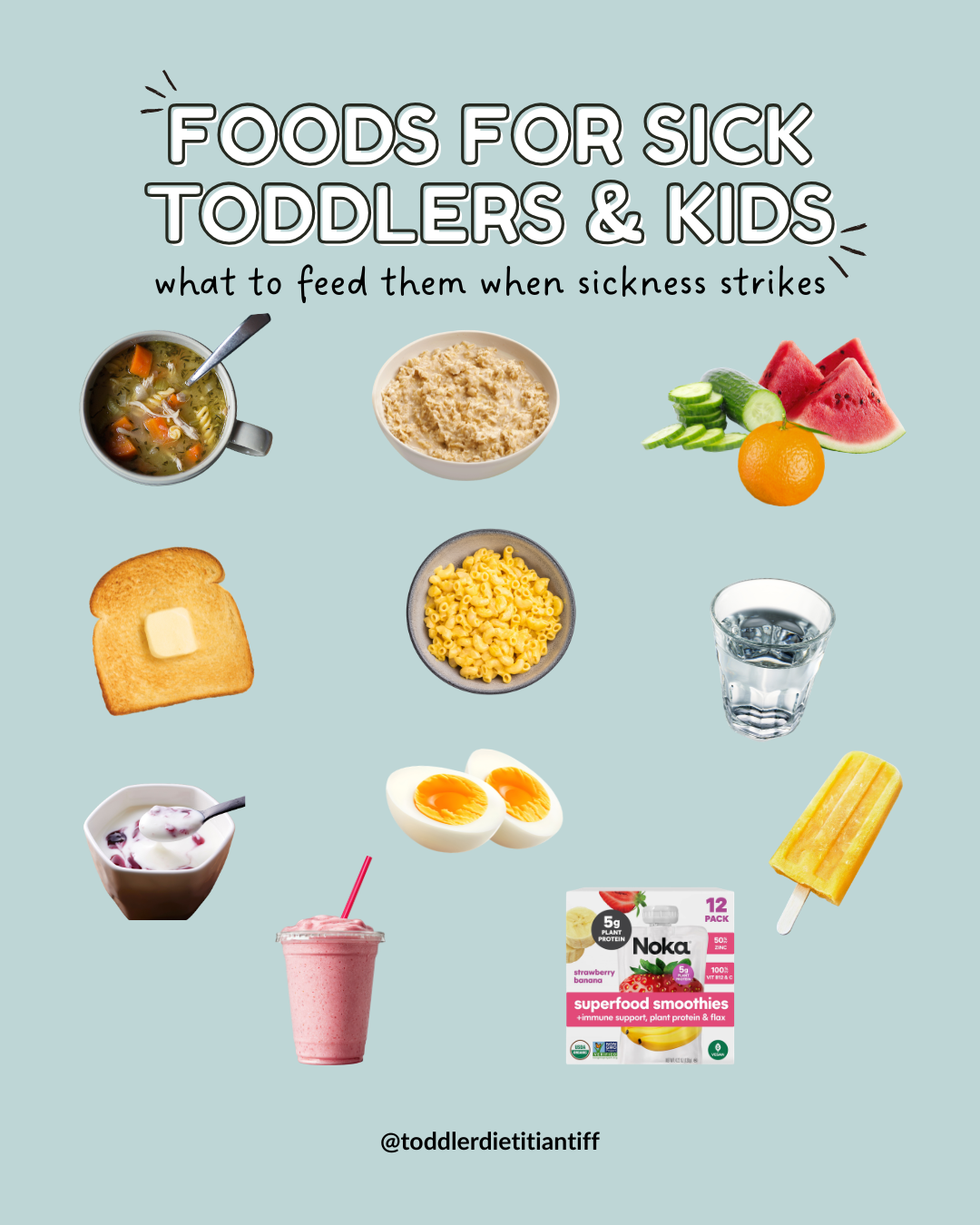
What are the Best Foods for Sick Toddlers?
The best foods for sick toddlers are often familiar foods that feel comfortable to eat. For a toddler with a cold or sore throat who can comfortably swallow, try soft options like oatmeal, yogurt, applesauce, mashed potatoes, scrambled eggs, or lukewarm soup. Cool options, like smoothies or popsicles, may feel better on a sore throat. The best choice is something your child can tolerate and is willing to eat.
If your toddler is vomiting or has frequent watery diarrhea, the approach changes: focus on hydration first, using a commercial oral rehydration solution when appropriate. Return to their usual foods as vomiting settles and they can tolerate eating.
Remind yourself what foods YOU lean towards when you're sick and how poor your appetite is, that'll hopefully make it a bit more understandable. Keep offering manageable choices without pressuring your child to take bites.
Start with Hydration for Sick Toddlers & Kids
A lower appetite can happen during illness, but drinking adequate fluids and signs of dehydration deserve close attention. Your kiddos may not want to drink large amounts of fluids at once, but even high fluid volume foods like watermelon, cucumber, strawberries, oranges, and soups can count too!
For a cold without vomiting or diarrhea, offer water and their usual tolerated drinks regularly. Continue breastfeeding if your toddler nurses, and you might even notice they're wanting to nurse more often (which is normal). You can also offer foods that contain fluid, such as soup, smoothies, or popsicles.
For vomiting or significant diarrhea, a oral rehydration solution can help replace lost fluid and salts more quickly. Offer small, frequent sips instead of expecting your toddler to drink a large cup at once. Ask your pediatrician for guidance on amounts and whether they actually need an oral rehydration solution.
And not that you need to count exact ounces your toddler drinks, it's nice to have an idea on what they should be intaking. Pay attention to how they’re acting and how often they’re peeing, too. Watch for signs of dehydration, such as a dry mouth, fewer wet diapers or bathroom trips than usual, fewer tears when crying, or unusual tiredness and less interest in playing.
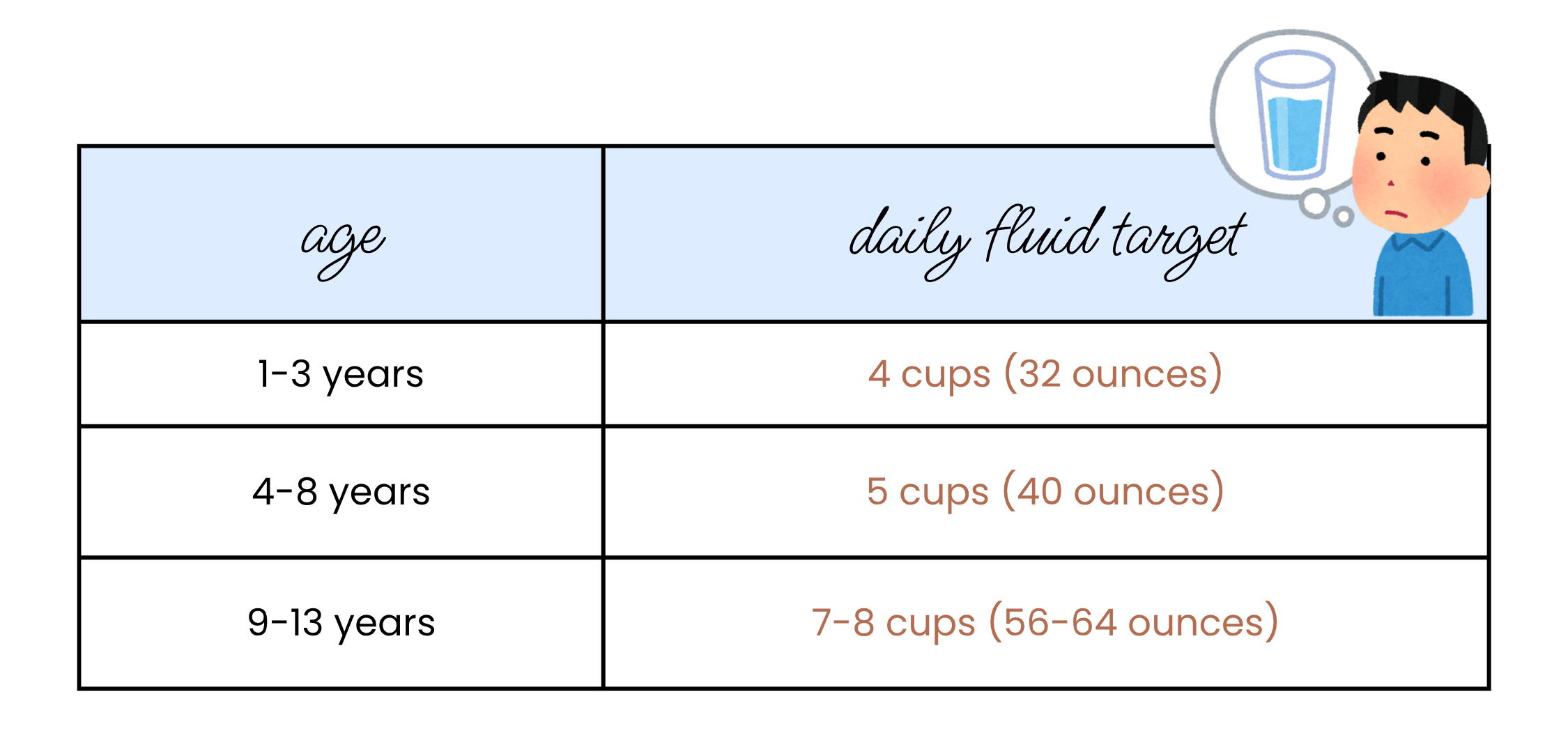
*estimated fluid needs based on American Academy of Pediatrics
Easy Foods for Sick Toddlers
When choosing foods for sick toddlers, softer textures and cool or lukewarm options may be easier to manage, especially when swallowing is uncomfortable. If their tummy is upset, start with small amounts of familiar foods as tolerated.
1. Soft oatmeal
Cook oatmeal with a little extra liquid so it’s soft and easy to spoon. Keep it plain or stir in mashed banana, applesauce, or smooth nut or seed butter. If they only want a few bites, start with a small bowl. You can always offer more!
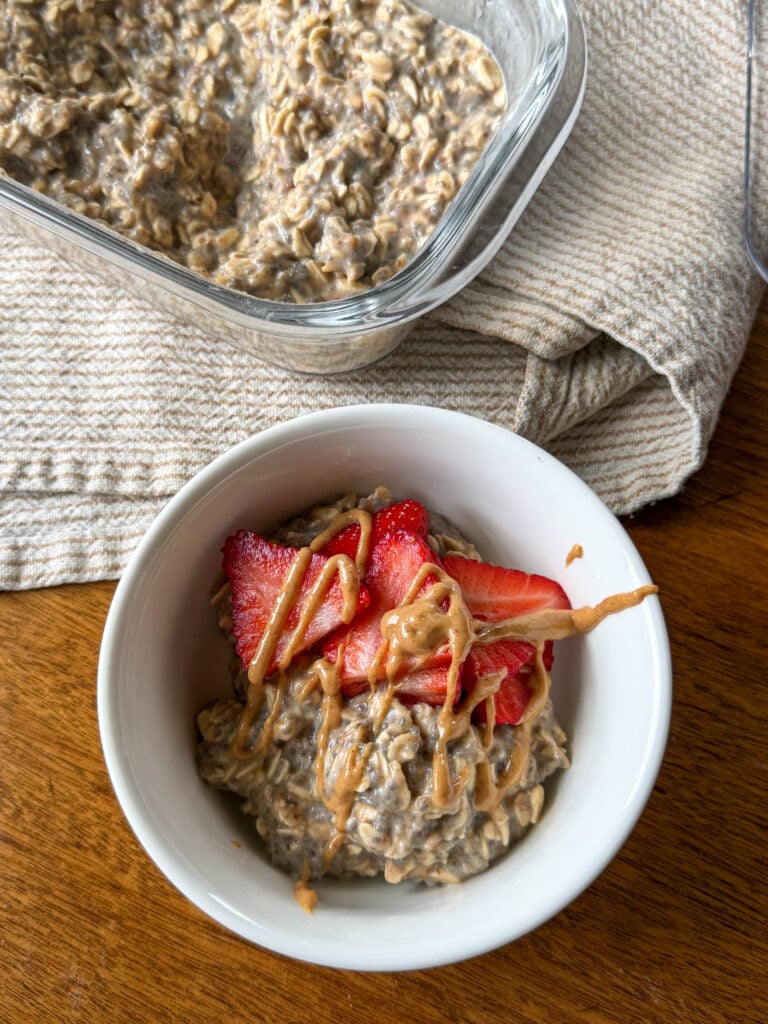
the easiest overnight oats recipe!
Date Overnight Oats
if your toddler loves Mush overnight oats, they'll love this homemade version
2. Yogurt or Cottage Cheese
Plain or flavored yogurt can be an easy, cool option. Serve it on its own, mix in mashed fruit, or offer a familiar yogurt pouch. If a spoon feels like too much work, try a drinkable yogurt they already enjoy.
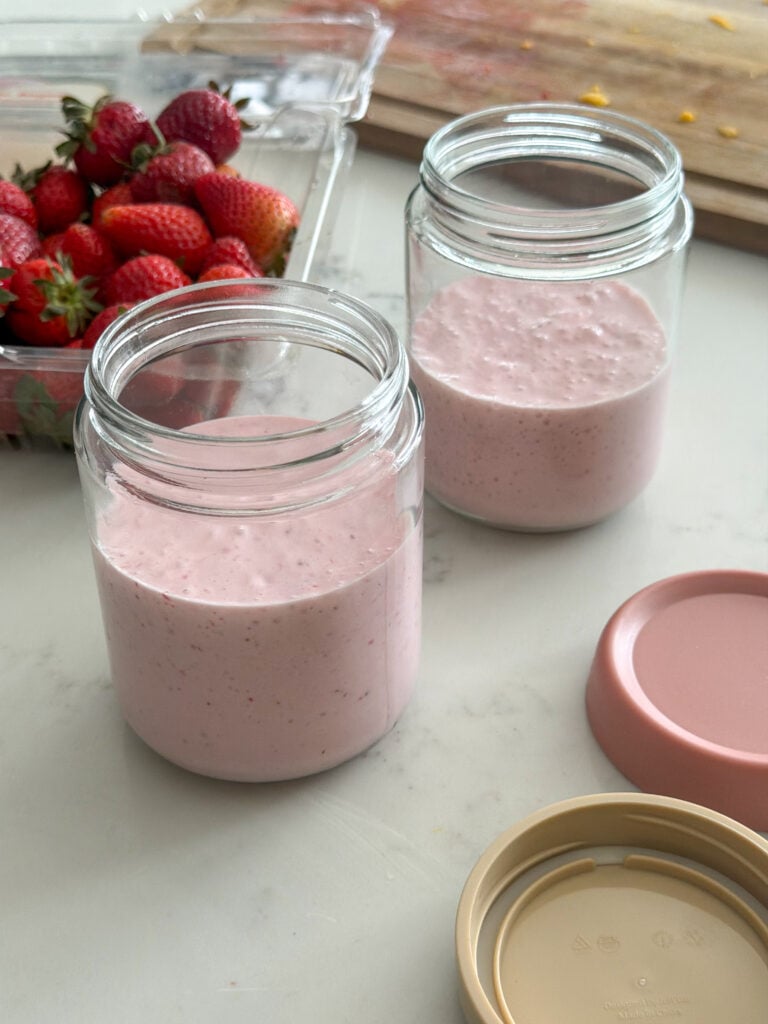
or make your own yogurt drink!
Homemade Yogurt Drink
only 3-4 ingredients and cheaper than the store bought version
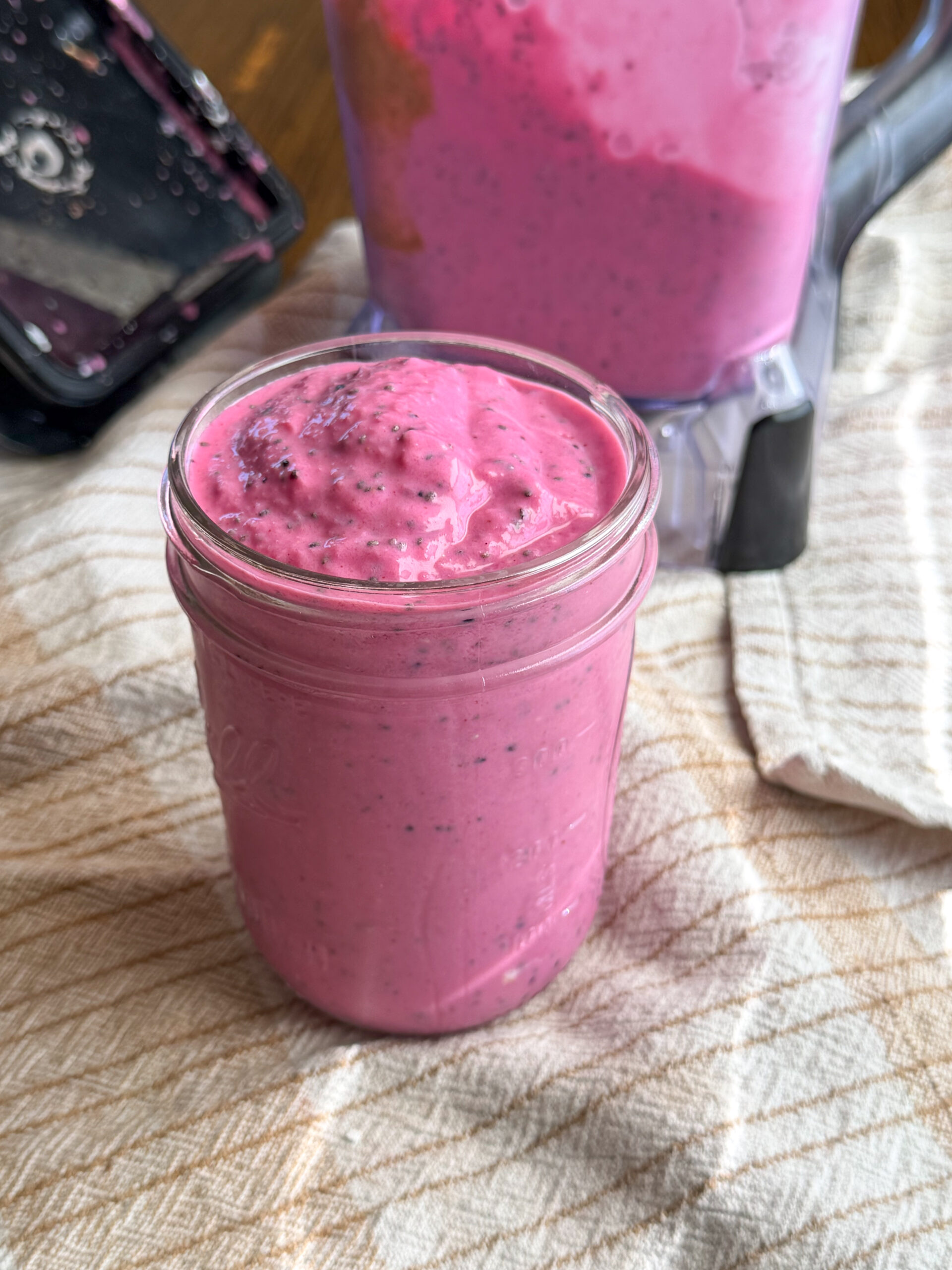
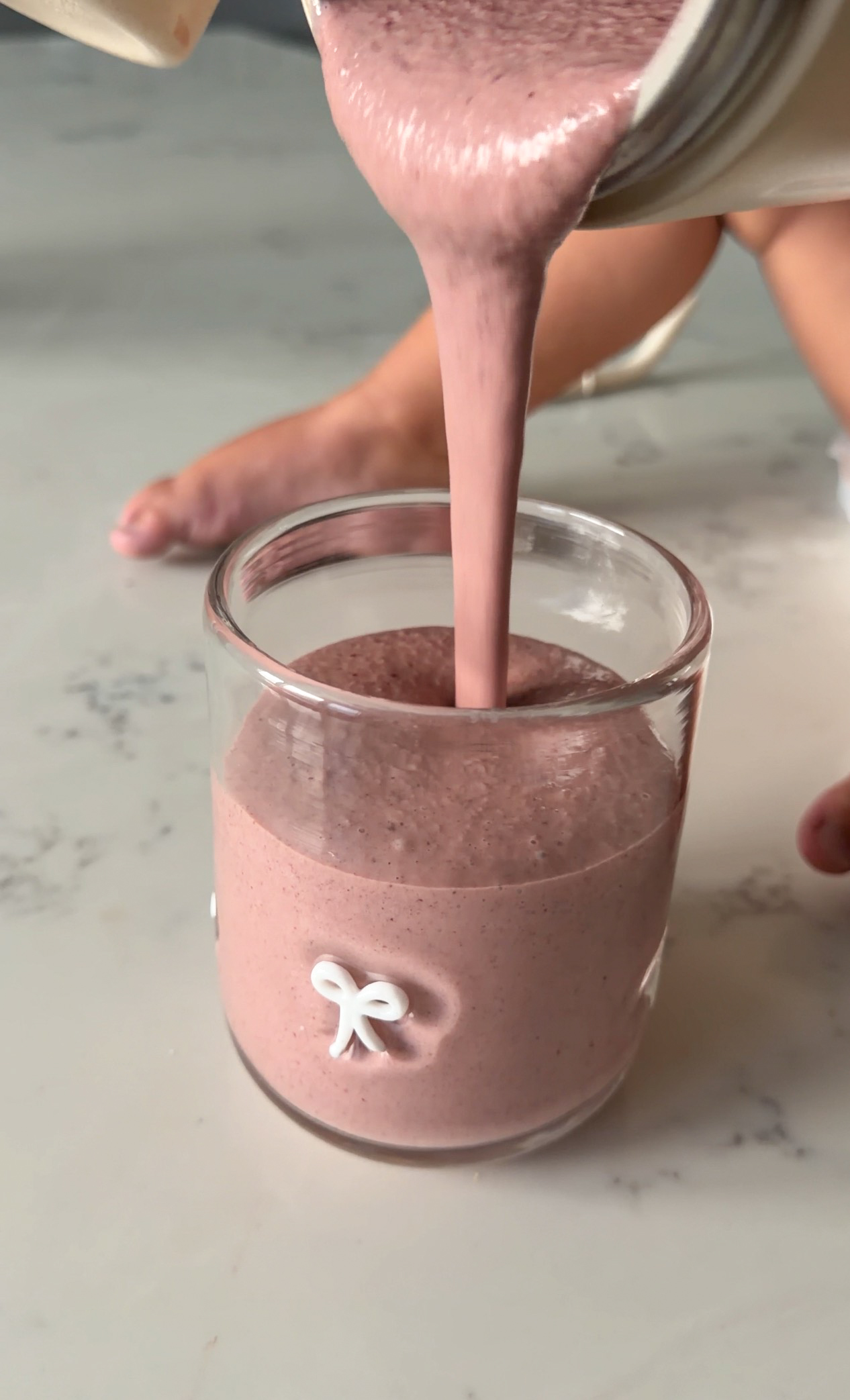
3. Smoothies
Keep the flavor familiar rather than loading in every ingredient you can find. Try blending:
- Milk or a tolerated alternative
- Banana
- Plain Greek yogurt
- A small spoonful of smooth peanut or seed butter, if desired
Add enough liquid to make it easy to sip. This idea is for a cold or sore throat; during active vomiting, prioritize the recommended rehydration approach.
4. Applesauce or mashed fruit
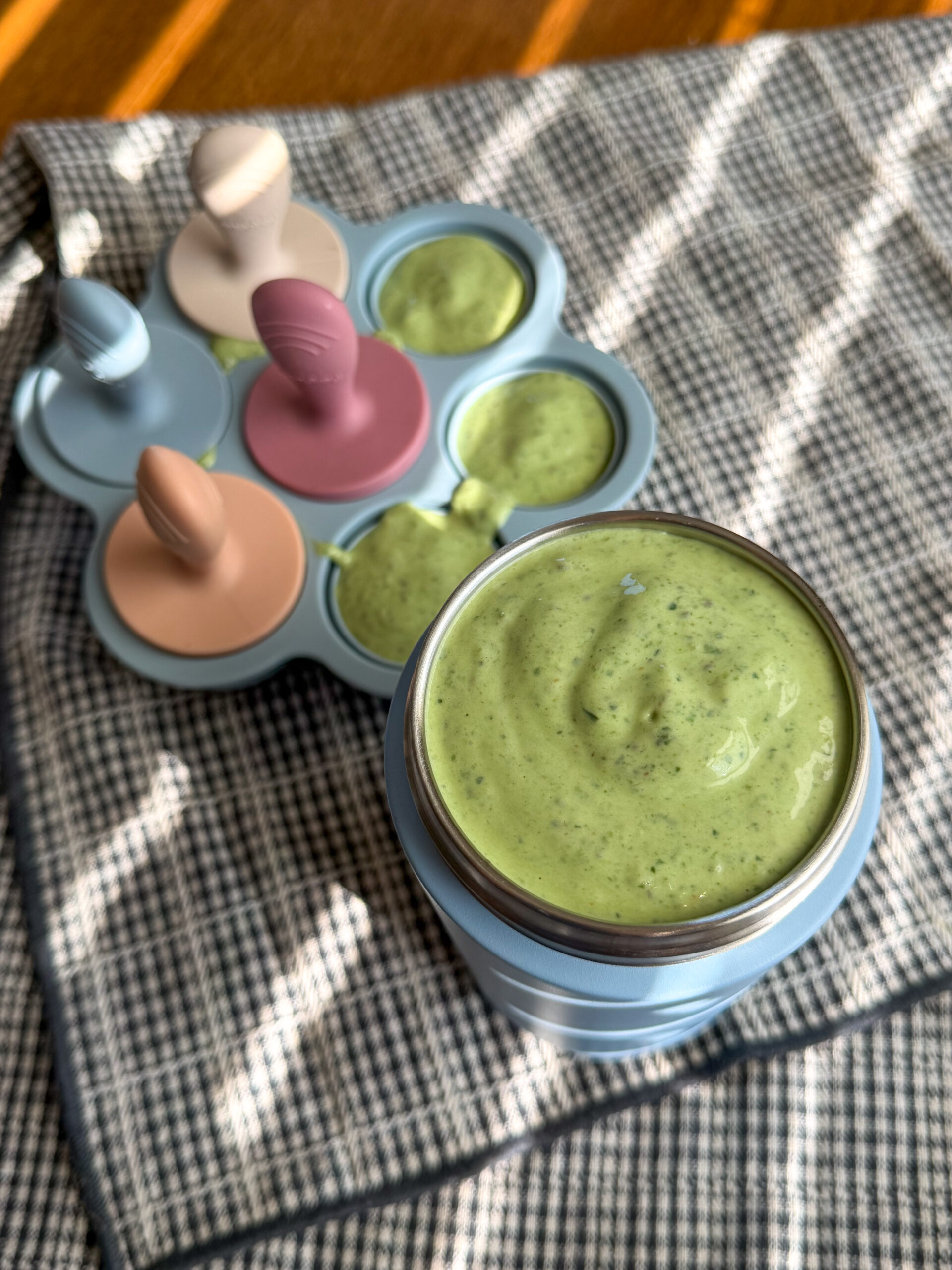
Applesauce, mashed banana, and soft pear take very little prep. Serve in a bowl or offer a familiar pouch. You can even make your own smoothie melts or pouch popsicles by squeezing in popsicle molds!
5. Soup with soft noodles
Try chicken noodle soup with finely shredded chicken and very soft vegetables. Another option is broth with small pasta or rice. Serve it lukewarm, and let your toddler eat the parts they want. They might prefer just the noodles today or slurping the broth with a straw.
6. Mashed potatoes or sweet potatoes
These are easy to serve in a small portion and adjust to a softer consistency. Add a little milk, butter, or olive oil to help provide some fats and flavor.
7. Soft scrambled eggs
Cook eggs gently so they stay soft. Offer a few small pieces alongside toast or another familiar food. You don’t have to make eggs into a full breakfast spread for them to count as a meal option. Even trying these egg bite muffins or cauliflower fritter bars could be an easy option!
8. Soft pasta
Small pasta with butter, olive oil, or a mild sauce can be a familiar comfort food. If tomato sauce irritates a sore mouth, try a simpler topping. You can even offer chickpea or lentil pasta noodles for extra fiber, iron, and protein!
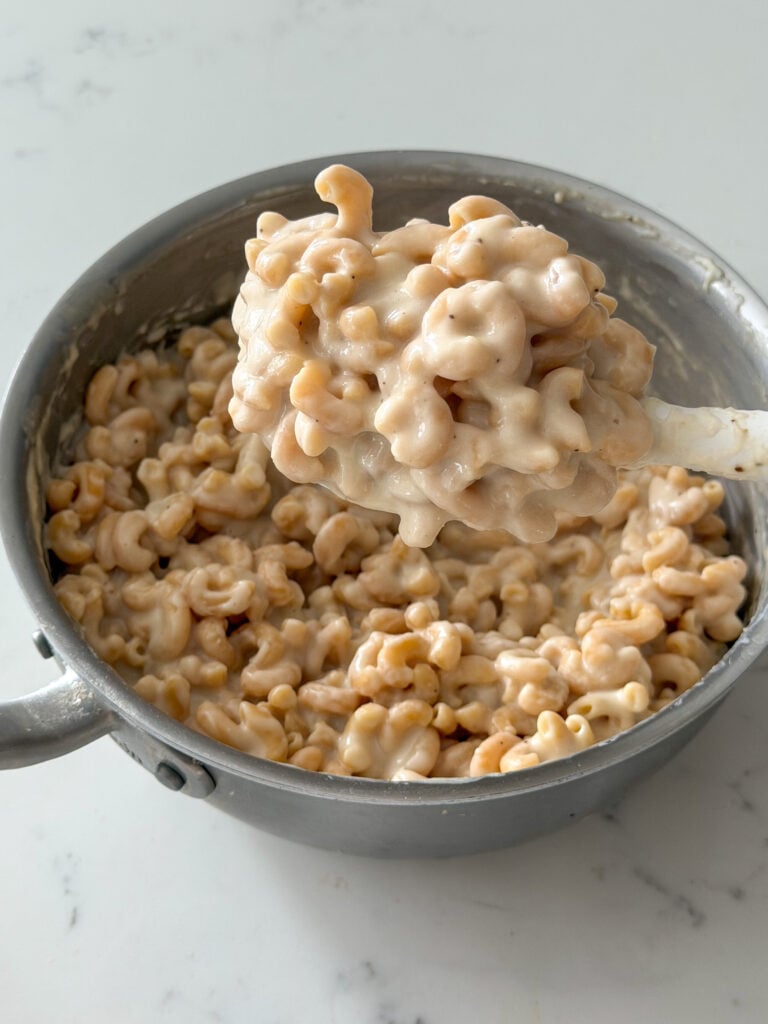
one of our favorites!
White Bean Mac & Cheese
if your have a pasta lover, this is such a great way to get a hefty dose of fiber, iron, and protein
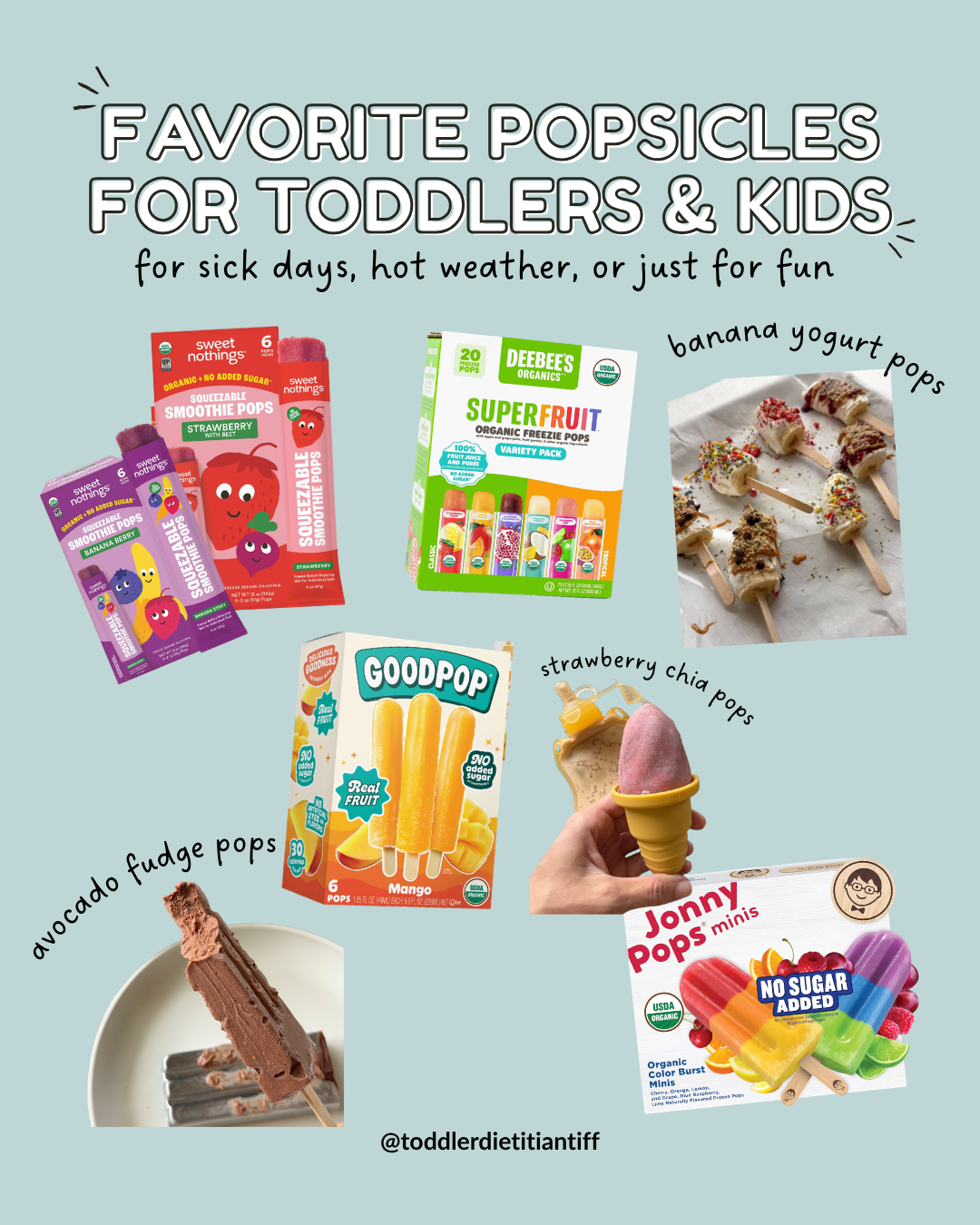
9. Popsicles or yogurt pops
Cold foods may help soothe a sore throat. Try a familiar popsicle, a smoothie pop, or a yogurt pop. For a kiddo who needs fluid and electrolyte replacement, use an oral rehydration pop as directed rather than relying on a regular fruit pop.
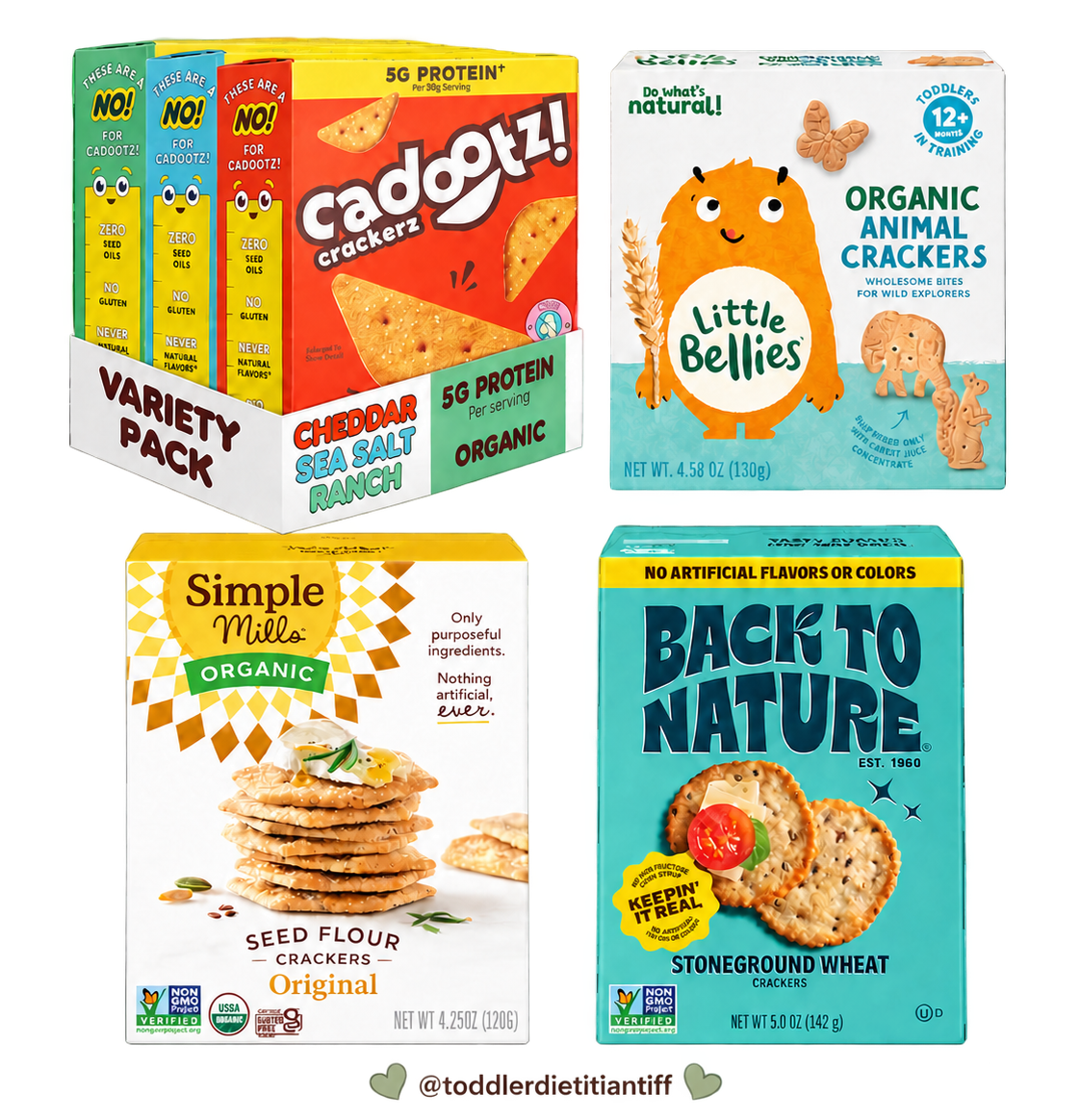
10. Crackers
Some kids find comfort in their favorite crackers, which can be an easy option to pair with cheese slices or some hummus.
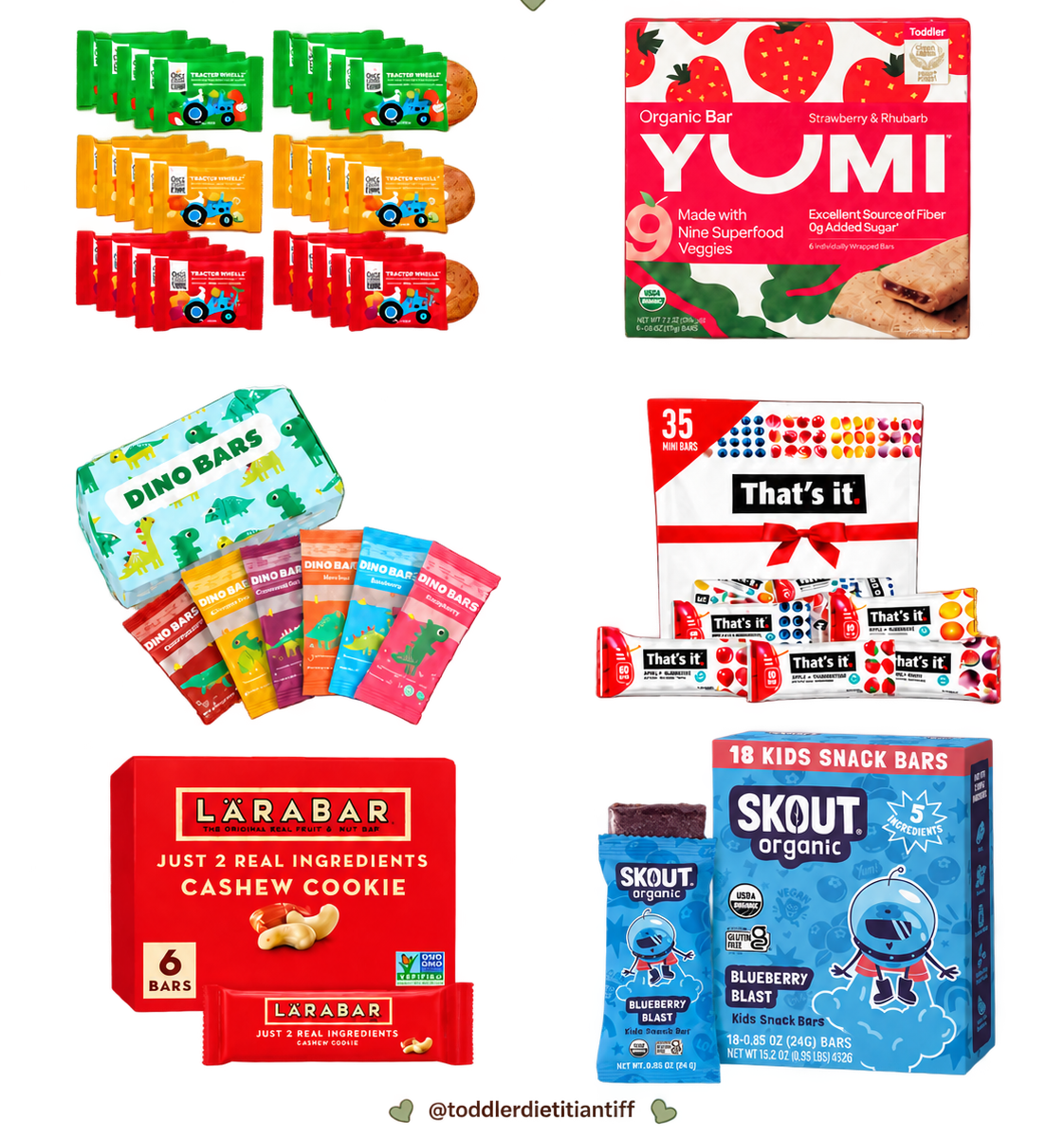
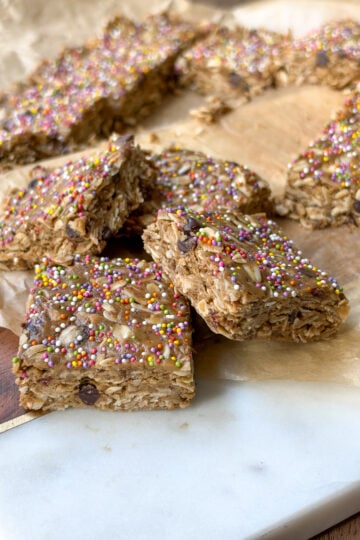
11. Soft Snack Bars
Snack bars are another snack favorite that can still provide fiber, protein, and fats for a more satiating snack option. You may want to break it into small pieces for them to just grab and eat versus handing them the whole bar.
High Vitamin C Foods for Sick Toddlers
Offering vitamin C foods not only helps our bodies absorb iron, it also helps support the immune system but that doesn't mean they need mega doses once they're sick. Here are some foods rich in vitamin C to offer your toddler:
- Strawberries
- Kiwi
- Cantaloupe
- Red and green bell peppers
- Broccoli
- Mango
- Oranges and grapefruit
Serve these in textures and sizes appropriate for your toddler’s eating skills, cooking firmer vegetables until soft. Even blending into smoothies or turning into popsicles can be great options!
Toddler Dietitian Tip: When Sick Toddlers Won't Eat
Start by making the offer smaller. A full plate can feel like a lot when your child doesn’t feel well. Try a few spoonfuls of oatmeal, a small serving of yogurt, or a couple of bites of pasta. Offer more if they ask.
Keep familiar favorites available, and allow extra flexibility around timing. Your toddler may be more interested in a small snack between their usual meals.
Try saying:
“Here’s some yogurt if your tummy feels ready.”
“You can have more if you want.”
“I’ll put your water right here.”
You don’t need to convince them to finish a serving. Continue to watch their drinking, urination, and overall condition. If they’re refusing fluids, showing signs of dehydration, or their poor intake continues or worries you, contact their pediatrician.
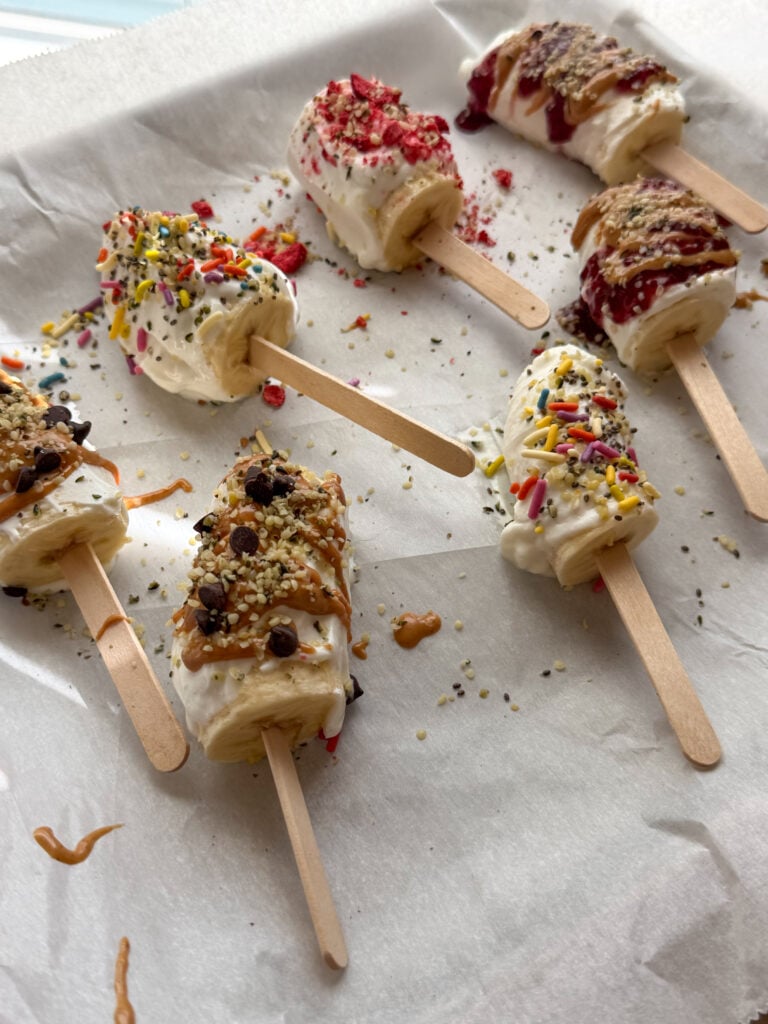
easy frozen snack!
Banana Yogurt Pops
to soothe those sore throats & upset tummies
Foods for Sick Toddlers with Diarrhea
When choosing foods for sick toddlers with diarrhea, start with small portions of familiar foods they feel up to eating. Children with mild diarrhea who aren’t vomiting can often continue their usual diet, including foods like oatmeal, rice, pasta, potatoes, and toast. Keep offering fluids, and avoid full-strength juice or very sugary drinks, which may worsen diarrhea. If milk seems to increase gas, bloating, or diarrhea, ask their pediatrician whether a temporary adjustment would help.
Do sick toddlers need the BRAT diet?
The BRAT (banana, rice, applesauce, toast) diet is not recommended long-term, but your toddler may accept those foods more easily when their tummies aren't feeling the best. Even making things like banana milk (just blend banana with milk), stirring yogurt or nut butter with applesauce, cooking rice in bone broth, or adding a small smear of butter or nut butter to toast can help get a bit more nutrients into those foods.
Finding foods for sick toddlers doesn’t have to mean making special meals or getting every bite “right.” Focus on fluids, offer small amounts of familiar foods, and let them eat what feels comfortable. Some days that might look like soup and a smoothie, and other days it’s crackers and a few bites of banana. Keep an eye on how they’re feeling, and reach out to their pediatrician if you’re concerned. You’re still nourishing your little one, even when their plate looks different than usual.
And if feeding your toddler feels overwhelming, apply here and let's chat about working together!
xo, toddler dietitian tiff
Disclaimer:This post is for general education and does not replace individualized medical advice. If you’re concerned about your child’s eating, drinking, or hydration while sick, contact their healthcare provider. These tips are intended for short-term illnesses, not chronic conditions.
American Academy of Pediatrics. Drinks to Prevent Dehydration in a Vomiting Child.
American Academy of Pediatrics. Diarrhea in Children: What Parents Need to Know.
American Academy of Pediatrics. Sore Throat: Symptom Guidance.
National Institutes of Health, Office of Dietary Supplements. Vitamin C: Fact Sheet for Consumers.
Aghsaeifard, Z., Heidari, G., & Alizadeh, R. (2022). Understanding the use of oral rehydration therapy: A narrative review from clinical practice to main recommendations. Health Science Reports, 5(5), e827.
Leave a Reply